
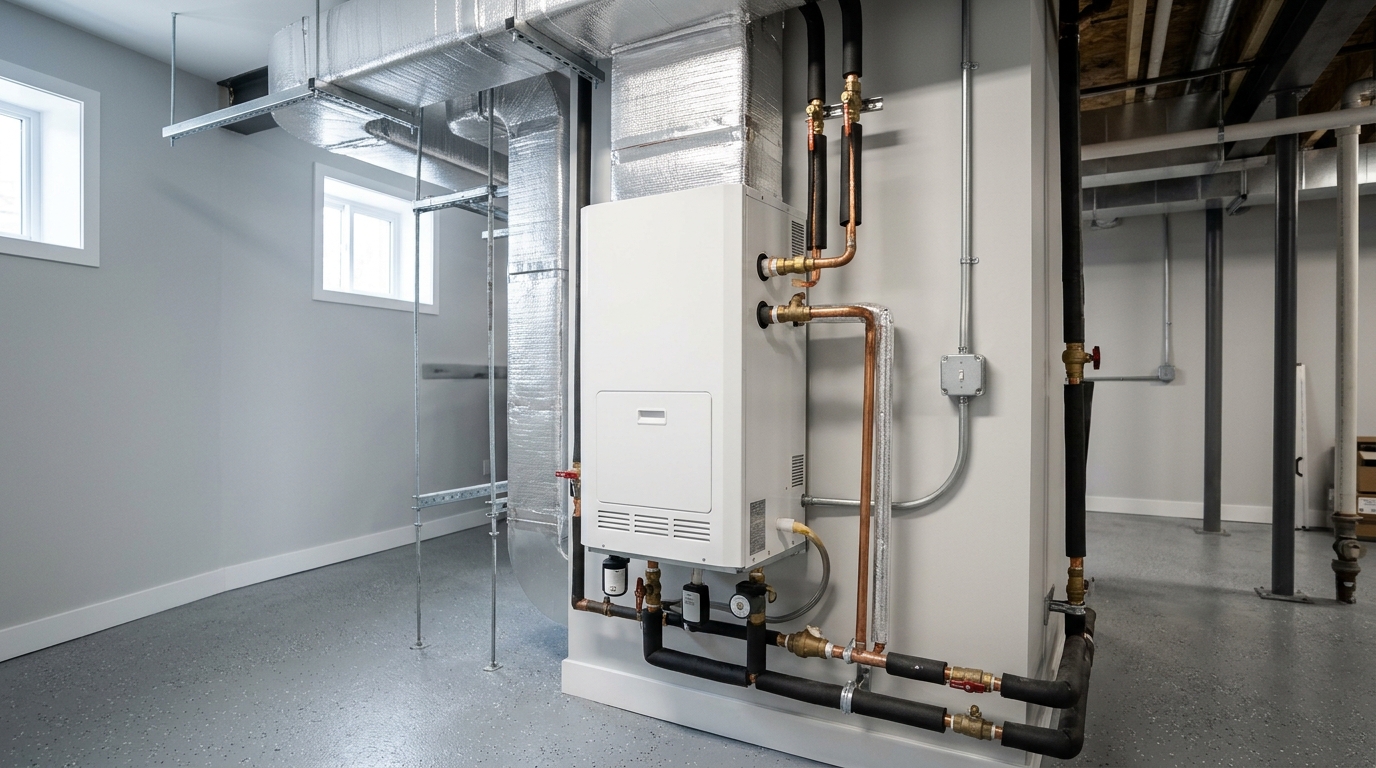
What is a Fan Coil and How Does It Work?
If you live in a condo or apartment in the Greater Toronto Area, chances are your heating and cooling comes from a fan coil unit. While not as commonly discussed as furnaces or central air conditioners, the fan coil is a vital component for home comfort in many multi-unit residential buildings. But what exactly is it?
A fan coil system is a relatively simple yet effective piece of HVAC equipment. It consists of three main parts: a fan, a heating and/or cooling coil, and a filter. The unit works by using the fan to pull air from your room into the unit. This air first passes through a filter to remove dust and debris. Then, it flows over the coil, which contains either hot water (for heating) or chilled water/refrigerant (for cooling), supplied by the building’s central plant. The air is either heated or cooled before the fan pushes it back into your living space, providing comfortable, conditioned air.
Common Problems with Fan Coil Systems
Like any mechanical system, fan coils can experience issues over time. Being aware of common problems can help you identify when it’s time to call a professional. Some frequent concerns include:
- Water Leaks: One of the most common complaints is water dripping from the unit. This is often caused by a clogged condensate drain line or a cracked drain pan, which prevents condensation from draining away properly during the cooling season.
- Poor Airflow: If you notice weak airflow from your vents, the first thing to check is the filter. A clogged filter is the number one cause of restricted airflow. It can also be a sign of a failing fan motor.
- Strange Noises: Rattling, squealing, or grinding sounds are not normal. These noises can indicate a problem with the fan motor, a loose component, or debris inside the unit.
- Lack of Heating or Cooling: If the air coming out isn’t the right temperature, the problem could be with the control valve that lets water into the coil, an airlock in the pipes, or an issue with the building’s central boiler or chiller.
- Musty Odors: A persistent musty smell often points to mold or mildew growth on the coil or in the drain pan due to excess moisture.
Maintenance, Airflow, and Replacement Considerations
Proper maintenance is the key to ensuring your fan coil system operates efficiently and reliably. The most important task for homeowners is to regularly check and change the air filter—typically every one to three months. A clean filter ensures healthy airflow, better indoor air quality, and prevents strain on the fan motor.
Beyond filter changes, professional annual maintenance is essential. A technician will clean the coil, clear the condensate drain, lubricate the motor, and inspect all electrical components. This service not only prevents unexpected breakdowns but also helps the unit run more efficiently, potentially lowering your energy costs.
Most fan coil units have a lifespan of 15-20 years. If your system is older, requires frequent repairs, or is becoming increasingly noisy and inefficient, it may be time to consider a replacement. Newer models offer better energy efficiency, quieter operation, and improved performance that can significantly enhance your home comfort.
Trust the Experts for Your Fan Coil Needs
While changing a filter is a simple DIY task, diagnosing and repairing leaks, motor issues, or control valve problems requires specialized knowledge. Attempting these repairs yourself can lead to further damage or safety risks. For reliable and professional service for your fan coil system in the GTA, it’s best to trust a qualified HVAC company.
The team at Rezair Experts has extensive experience with servicing, repairing, and replacing residential fan coil units. We can help you keep your current system running smoothly or provide expert advice on the best replacement options for your home. If you’re experiencing issues or it’s time for annual maintenance, contact Rezair Experts today for professional assistance.